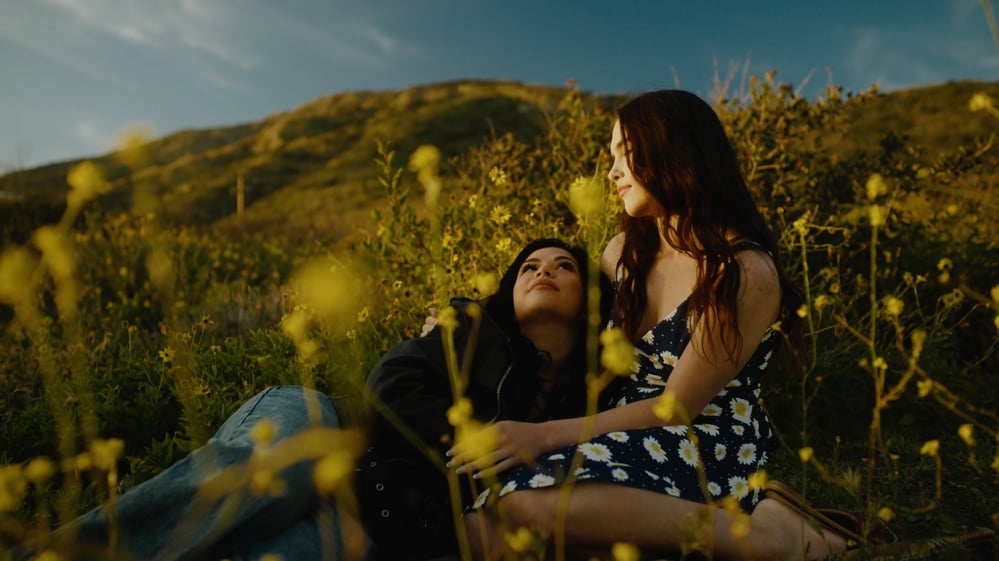
Walk onto many sets today and the lighting tells you everything about what a scene's priorities are. Bright, even, shadowless - every detail visible, nothing left to the imagination. It's a practical choice as much as an aesthetic one, and it serves a genuine purpose: clarity, explicitness, the unobstructed view that a large portion of the audience is there for. There's nothing inherently wrong with it. But there's a difference between a choice that works and a choice that's simply the path of least resistance.
The same logic extends to how scenes are performed. Hard and fast has become shorthand for good, while anything slower or more restrained tends to get read as boring, unengaged, not worth the runtime. Many studios nowadays lean into these two notions partly because it's easier to produce, but also because the audience often demands it - fans who want to see penetration, intensity, volume. Again, not wrong. Just limiting, when it becomes the only mode available.