2: AGE VERIFICATION LAWS, OTHER RESTRICTIONS CAST CLOUD OF UNCERTAINTY
Porn has always lived with restrictions. What changed in 2025 was how quickly those restrictions started to touch the actual product. Not just payment processors, not just advertising rules, not just social platforms shadow-banning links, but the front door itself. A growing list of states moved to require age verification for sites whose content is deemed "harmful to minors," often using a one-third threshold. For fans, it meant friction. For platforms, it meant liability. For performers, it meant one more variable that can crush traffic overnight, even if their content and hustle stay the same.
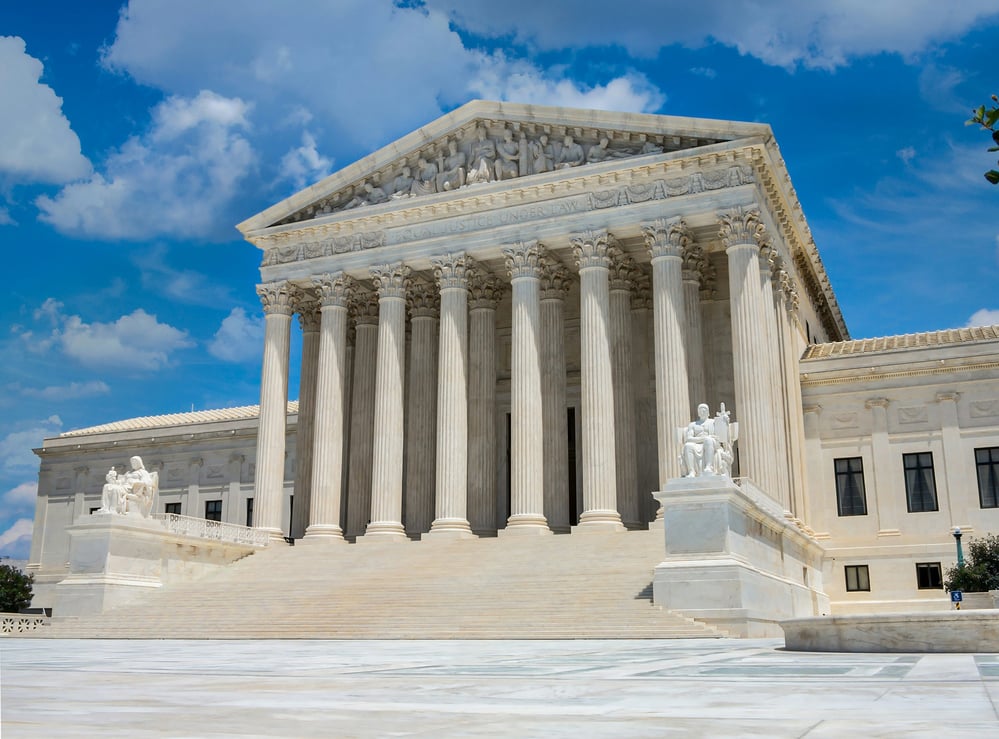
The turning point came on June 27, when the U.S. Supreme Court upheld Texas House Bill 1181 in Free Speech Coalition, Inc. v. Paxton, allowing the state to require that a subset of websites verify that their users are 18 or older. The ruling gave lawmakers a green light they had been chasing for years. Almost immediately, the question for adult platforms shifted from whether these laws would spread to how they would respond as they did. Some sites tried to build compliance systems. Others chose the simpler option: cut off access in entire states rather than collect sensitive identification data.
Arizona wasn’t the first state to see that kind of block. What it did provide was a late-2025 snapshot of the new normal after the Court’s decision: another major market flips the switch, and another audience is forced to choose between handing over ID information, changing habits, or leaving. As Arizona prepared to implement HB 2112 in late September, Pornhub once again opted to block access, this time for Arizona users, instead of building an ID-based verification flow there. Missouri followed the same pattern in December, with Pornhub again blocking access after a new rule took effect. The result tends to rhyme. Fans either walk away, find a different site, or shift to creator platforms where age and payment checks occur at the point of purchase, not during casual, and now much more SFW, browsing. Creators feel it as a sudden softening of the funnel: fewer random clicks, fewer new subscribers, and greater reliance on social media and collab networks to replace what used to be easier, ambient traffic.
The pressure was not limited to the United States. In late May, the European Commission opened formal proceedings under the Digital Services Act against Pornhub and other major porn sites, focusing on whether their measures to keep minors out are actually effective. Europe made clear it is not satisfied with a one-click "I am over 18" screen. With potential penalties that can reach a meaningful percentage of global revenue, regulators signaled that age gates are no longer just a box to check.